
Introduction: Why Trump–Putin Relations Matter in Global Politics
The relationship between Donald Trump and Vladimir Putin has remained one of the most closely watched dynamics in modern geopolitics. Even when formal meetings are limited or absent, the political weight of their interactions continues to influence discussions in the United States, Russia, and across allied nations. The phrase “Trump Putin meeting” is often used not only to describe direct encounters, but also to refer to broader diplomatic signals, past summit discussions, media interpretations, and the global consequences of their political positions. Understanding this topic requires looking beyond a single event and instead examining a long timeline of diplomatic engagement, strategic competition, and political messaging that has shaped international relations for over a decade.
At its core, Trump–Putin relations sit at the intersection of diplomacy and rivalry. The United States and Russia are major nuclear powers, often positioned on opposite sides of global policy debates involving security, energy, cyber issues, and military alliances. Because of this, even the possibility of dialogue between their leaders attracts worldwide attention. Investors, governments, analysts, and media outlets often interpret every statement or gesture as a potential signal of future geopolitical direction. This article breaks down the background, key meetings, major discussions, controversies, and global impact of Trump–Putin interactions in a clear and structured way.
Historical Background of Trump–Putin Interactions
The history of interactions between Donald Trump and Vladimir Putin did not begin in the White House or Kremlin; it developed gradually through business interest narratives, political commentary, and diplomatic engagement during Trump’s rise in U.S. politics. Before becoming president, Trump often expressed interest in improving U.S.–Russia relations, suggesting that stronger cooperation could benefit both countries economically and strategically. These statements created early international curiosity about how his leadership might influence relations with Moscow.
When Trump assumed office as President of the United States in 2017, global attention intensified. The relationship between Washington and Moscow was already strained due to issues like election interference allegations, sanctions, NATO tensions, and conflicts in Eastern Europe. Against this backdrop, any interaction between Trump and Putin was viewed through a highly analytical and often controversial lens. Their first official meeting at international summits set the tone for a relationship characterized by both diplomatic engagement and political scrutiny. While some observers interpreted Trump’s approach as pragmatic diplomacy, others saw it as unusually friendly toward a long-time geopolitical rival.
Over time, their interactions became symbolic of broader debates about U.S. foreign policy direction. Supporters of engagement argued that dialogue with Russia was necessary to reduce global tensions, while critics warned that too much openness could weaken traditional alliances. This divide remains central to how Trump Putin relations are discussed today.
Key Meetings and Diplomatic Summits
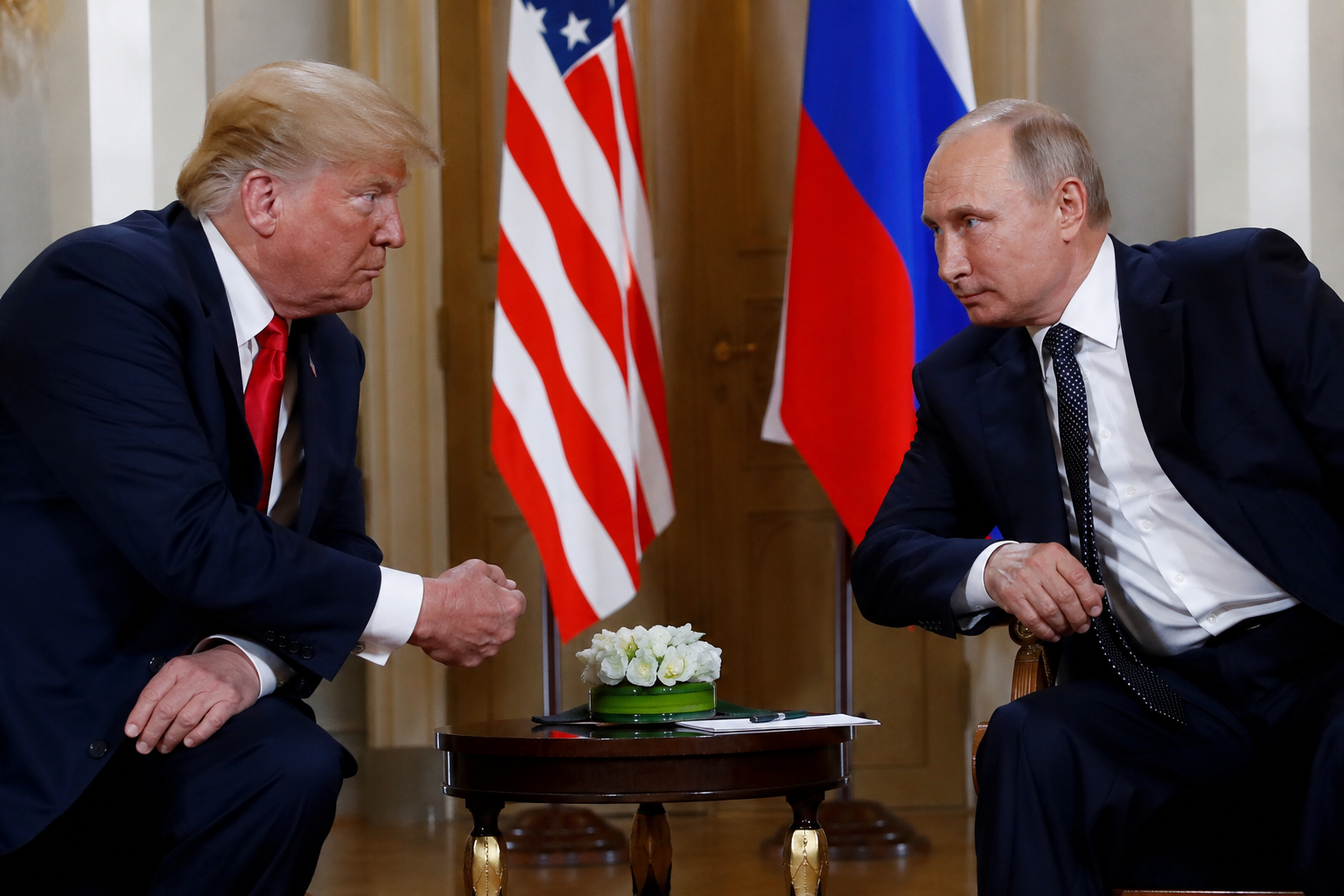
One of the most notable aspects of Trump–Putin relations is their participation in major international summits, where global leaders gather to discuss economic cooperation, security issues, and diplomatic priorities. The most widely discussed meeting occurred during the Helsinki summit in 2018, where both leaders held a private discussion followed by a joint press conference. This event drew significant global attention because of the tone and content of their public statements, which many analysts interpreted differently depending on political perspective.
During such meetings, topics often include nuclear arms control, counterterrorism efforts, regional conflicts, and cybersecurity concerns. However, the symbolic nature of these meetings often outweighs the specific policy details. Even brief interactions or handshake moments are analyzed extensively in global media. Photographs, press statements, and diplomatic body language become part of a larger narrative about trust, rivalry, or cooperation between the two nations.
Beyond formal summits, indirect diplomatic engagement also plays a role. High-level officials, advisors, and foreign policy teams often communicate on behalf of both leaders, shaping the tone of bilateral relations even when direct meetings are limited. These interactions highlight how modern diplomacy is not limited to face-to-face meetings but includes a complex network of negotiations and strategic messaging.
Key Topics Discussed Between Trump and Putin
The discussions between Trump and Putin, whether in formal meetings or diplomatic channels, typically revolve around several core global issues. One of the most important topics is nuclear arms control. Both the United States and Russia possess significant nuclear capabilities, making arms reduction agreements and strategic stability a top priority in international negotiations. Discussions often focus on extending treaties, verifying compliance, and preventing escalation.
Another major topic is regional security, particularly conflicts in areas such as Eastern Europe and the Middle East. These regions often involve competing interests between Western alliances and Russian strategic goals. As a result, Trump–Putin discussions frequently include efforts to manage tensions and explore possible areas of cooperation, even when disagreements remain strong.
Cybersecurity and election security have also become central issues in recent years. Allegations of cyber interference and concerns about digital warfare have added a new dimension to U.S.–Russia relations. These topics are highly sensitive and often lead to increased political debate within the United States.
Trade and economic sanctions are another recurring subject. Sanctions imposed by the U.S. on Russia have significantly affected bilateral economic relations. Discussions sometimes include potential easing of restrictions or negotiation of economic terms, although such outcomes depend heavily on broader geopolitical conditions and domestic political approval.
Controversies and Political Debate
The Trump–Putin relationship has been one of the most controversial topics in modern political discourse. Critics have often questioned whether Trump’s approach toward Putin represented a departure from traditional U.S. foreign policy strategies, which historically treated Russia as a strategic competitor. This criticism intensified during and after Trump’s presidency, particularly in relation to investigations into Russian interference in U.S. elections.
On the other hand, supporters argue that maintaining open communication with Russia is essential for global stability. From this perspective, engagement is seen as a diplomatic necessity rather than a political risk. They argue that dialogue helps reduce misunderstandings and prevents escalation of conflicts between two nuclear powers.
Media coverage has also played a major role in shaping public perception. Every meeting, statement, or even handshake has been analyzed extensively, often leading to polarized interpretations. In many cases, the symbolic meaning of interactions has overshadowed the actual policy discussions taking place behind closed doors.
This combination of political division and media scrutiny has made the Trump–Putin dynamic one of the most debated subjects in international relations.
Global Reactions and International Impact
International reactions to Trump–Putin interactions vary widely depending on geopolitical alignment. In Europe, especially within NATO member states, there has been cautious attention to any signs of shifting U.S. policy toward Russia. European allies often emphasize the importance of unity in response to security challenges involving Russia.
In contrast, some countries view improved U.S.–Russia dialogue as a positive step toward global stability. Reduced tensions between major powers can potentially lead to fewer military conflicts, improved trade relations, and better coordination on global issues such as climate change and counterterrorism.
China and other major global players also closely observe Trump–Putin relations, as shifts in this dynamic can influence broader strategic alliances. In a multipolar world, the relationship between major powers often shapes global policy trends far beyond bilateral issues.
Financial markets can also react to geopolitical developments involving the United States and Russia. Investors closely monitor diplomatic signals, sanctions policies, and summit outcomes, as these can impact global energy prices, defense industries, and currency stability.
Media Coverage and Public Perception
Media coverage of Trump–Putin relations has played a significant role in shaping public understanding of their interactions. News organizations across the political spectrum have reported on their meetings with different interpretations, often reflecting broader ideological perspectives. Some outlets emphasize diplomatic engagement and potential cooperation, while others focus on risks, controversies, and security concerns.
Social media has further amplified public discussion, allowing rapid spread of opinions, commentary, and analysis. Viral images from summits, press conferences, or handshakes often become symbolic representations of broader political narratives. This digital amplification has made Trump–Putin relations not just a matter of diplomacy, but also a global media phenomenon.
Public perception is therefore highly divided, with opinions often shaped more by political affiliation and media consumption than by direct policy analysis. This polarization highlights the complexity of interpreting international relations in the modern information environment.
Strategic Importance in Modern Geopolitics
From a strategic perspective, the relationship between Trump and Putin reflects broader tensions between the United States and Russia in the post–Cold War era. Both countries remain global superpowers with competing interests in military influence, energy markets, and international alliances. As a result, their interactions are inherently significant for global stability.
Even when direct diplomatic progress is limited, communication between leaders can reduce the risk of misunderstanding or accidental escalation. This is particularly important in areas involving military activity, cybersecurity threats, and regional conflicts. Strategic dialogue helps maintain a baseline of communication even during periods of political tension.
In addition, Trump–Putin relations are often viewed as part of a larger debate about the future direction of U.S. foreign policy. Questions about whether the United States should prioritize confrontation, competition, or cooperation with Russia continue to influence policy discussions in Washington and beyond.
Conclusion: The Continuing Global Significance of Trump–Putin Relations
The topic of “Trump Putin meeting” extends far beyond individual encounters between two leaders. It represents a complex and evolving relationship shaped by diplomacy, rivalry, global politics, and media interpretation. Whether viewed as an opportunity for dialogue or a source of controversy, interactions between Donald Trump and Vladimir Putin continue to influence international discussions involving the United States and Russia.
As global politics becomes increasingly interconnected, the significance of such relationships is unlikely to diminish. Instead, they will continue to shape debates on security, diplomacy, and international cooperation for years to come. Understanding this dynamic helps explain not only past events but also the broader direction of global geopolitics in an increasingly complex world.