
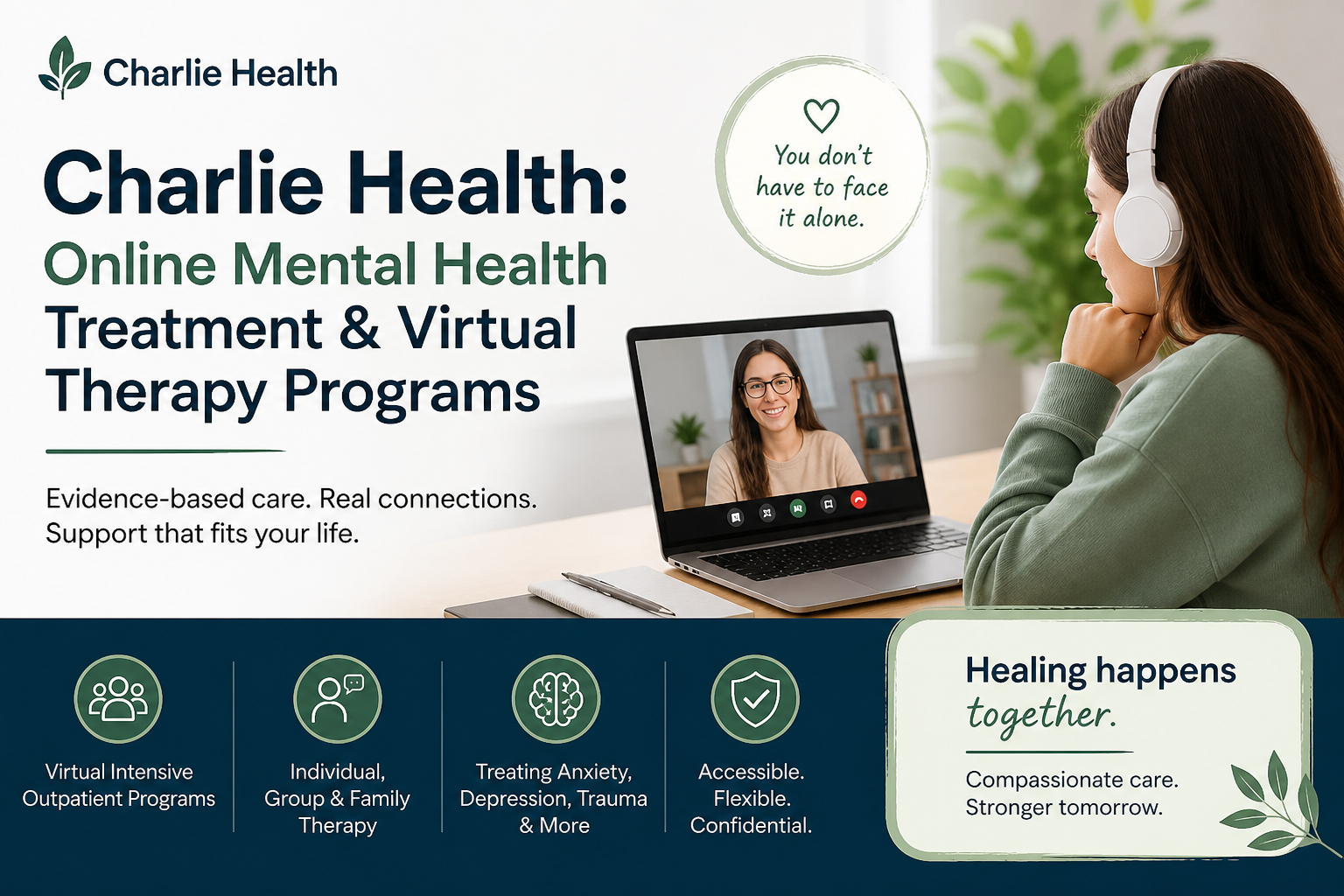
What is Charlie Health
Charlie Health is a modern virtual mental health treatment provider designed to make intensive therapy more accessible for individuals who need structured emotional and psychological support without attending in-person clinics. It primarily focuses on delivering online Intensive Outpatient Programs (IOP) for teens, young adults, and adults who are experiencing moderate to severe mental health challenges. Unlike traditional weekly therapy sessions that may provide limited contact time, this model is built to offer a higher level of care through multiple weekly group sessions, individual therapy, and family involvement, all delivered through secure telehealth platforms.
The core idea behind Charlie Health is to bridge the gap between inpatient hospitalization and standard outpatient therapy. Many individuals struggling with depression, anxiety, trauma, or behavioral disorders often find weekly therapy insufficient but do not require full hospitalization. This is where structured virtual programs come in. By using technology and licensed clinicians, Charlie Health provides consistent therapeutic engagement that helps patients stabilize, heal, and develop long-term coping strategies while remaining in their home environment.
In today’s fast-paced world, mental health issues are becoming more common due to academic pressure, workplace stress, social isolation, and trauma exposure. Charlie Health responds to this growing need by offering flexible, accessible, and evidence-based care that removes barriers such as travel time, geographical limitations, and stigma associated with visiting a physical clinic.
How Charlie Health Works: Virtual Therapy Model
The treatment model used by Charlie Health is centered around virtual Intensive Outpatient Programs, which combine multiple therapeutic approaches into a structured weekly schedule. Patients typically participate in several hours of therapy per week, including group therapy sessions, individual counseling, and family therapy when necessary. All of this is conducted through secure video conferencing, allowing participants to engage from the comfort and privacy of their homes.
The process usually begins with an initial clinical assessment, where mental health professionals evaluate the individual’s condition, history, and current challenges. Based on this assessment, a personalized treatment plan is created. This ensures that each participant receives care tailored specifically to their emotional, behavioral, and psychological needs.
Once enrolled, patients are placed into small therapeutic groups led by licensed therapists. These groups are carefully structured to ensure participants can connect with others who may be facing similar struggles. This peer-supported environment is an essential part of the healing process, as it helps reduce feelings of isolation and encourages open communication.
In addition to group sessions, patients also receive one-on-one therapy sessions that allow deeper exploration of personal issues. Family therapy is also offered in many cases, helping to improve communication, rebuild trust, and create healthier home environments. The virtual model ensures that even individuals in remote areas or those with limited mobility can access high-quality mental health care.
Types of Mental Health Conditions Treated
Charlie Health supports individuals dealing with a wide range of mental health conditions, particularly those that require more structured and intensive care than traditional weekly therapy. Some of the most commonly treated conditions include depression, anxiety disorders, post-traumatic stress disorder (PTSD), bipolar disorder, obsessive-compulsive disorder (OCD), and emotional dysregulation issues.
Depression is one of the primary conditions treated, especially among adolescents and young adults. Symptoms such as persistent sadness, lack of motivation, and loss of interest in daily activities are addressed through structured therapeutic interventions. Anxiety disorders, including generalized anxiety and panic disorders, are also commonly treated using cognitive and behavioral strategies.
Trauma-related conditions like PTSD are addressed through trauma-informed care approaches, which focus on helping individuals safely process traumatic experiences without becoming overwhelmed. Behavioral and mood disorders are also managed through a combination of therapy techniques designed to improve emotional regulation and coping skills.
Additionally, Charlie Health often works with individuals who are experiencing self-harm behaviors or suicidal ideation, providing them with a supportive and closely monitored environment. The goal is not only symptom reduction but also long-term emotional stability and resilience.
Intensive Outpatient Program (IOP) Explained
The Intensive Outpatient Program offered by Charlie Health is one of its most important services. It is designed for individuals who need more support than traditional outpatient therapy but do not require inpatient hospitalization. The program typically involves multiple therapy sessions each week, ensuring continuous engagement and progress monitoring.
A standard IOP structure includes group therapy sessions held several times a week, individual therapy sessions, and optional family therapy sessions. Each component plays a crucial role in the recovery process. Group therapy helps participants connect with others facing similar challenges, reducing isolation and encouraging shared learning. Individual therapy provides personalized attention, allowing deeper emotional exploration and goal setting.
Family involvement is another critical aspect of the program. Mental health challenges often affect not only the individual but also their loved ones. By including family members in the therapeutic process, Charlie Health helps improve communication patterns, reduce conflict, and create supportive home environments that contribute to recovery.
The IOP model is particularly effective because it offers consistency and structure. Unlike weekly therapy sessions that may leave gaps in support, this model ensures frequent contact with mental health professionals, which can significantly improve treatment outcomes for individuals with severe or persistent conditions.
Benefits of Online Mental Health Treatment
One of the most significant advantages of Charlie Health’s approach is accessibility. Traditional therapy often requires in-person visits, which can be challenging for individuals living in rural areas, those with transportation issues, or people with demanding schedules. Virtual therapy removes these barriers by allowing patients to attend sessions from anywhere with an internet connection.
Another major benefit is flexibility. Online treatment programs are designed to fit into the daily lives of participants, making it easier for students, working professionals, and caregivers to receive support without disrupting their responsibilities. This flexibility helps improve consistency in treatment, which is essential for long-term progress.
Privacy is also a key advantage. Many individuals hesitate to seek mental health support due to stigma or fear of judgment. Virtual therapy provides a more private and comfortable environment, encouraging more people to take the first step toward seeking help.
Additionally, Charlie Health’s model offers a high level of clinical support compared to standard therapy. The combination of group sessions, individual counseling, and family involvement creates a comprehensive treatment experience that addresses multiple aspects of mental health simultaneously.
Who Can Benefit from Charlie Health
Charlie Health is particularly beneficial for teenagers, young adults, and adults who are struggling with moderate to severe mental health conditions. It is especially suited for individuals who may have already tried traditional therapy but did not experience sufficient improvement.
Adolescents dealing with academic pressure, social anxiety, or emotional instability often benefit greatly from structured group therapy environments. Young adults transitioning into independence may also find support valuable as they navigate life challenges such as career stress, relationships, and identity development.
Adults experiencing burnout, trauma, or chronic mental health conditions can also benefit from the program’s structured approach. The combination of therapy methods ensures that individuals receive both emotional support and practical coping strategies.
Families of individuals struggling with mental health conditions can also benefit, as family therapy sessions help improve understanding and communication. This creates a more supportive environment at home, which plays a significant role in recovery.
Therapy Methods Used in Treatment
The therapeutic approach used at Charlie Health incorporates several evidence-based methods to ensure effective treatment outcomes. Cognitive Behavioral Therapy (CBT) is one of the most commonly used techniques, focusing on identifying and changing negative thought patterns that contribute to emotional distress.
Dialectical Behavior Therapy (DBT) is another important method, particularly effective for individuals struggling with emotional regulation, self-harm behaviors, or borderline personality traits. DBT helps patients develop mindfulness, distress tolerance, emotional regulation, and interpersonal effectiveness skills.
Trauma-informed care is also widely used, especially for individuals with PTSD or past traumatic experiences. This approach prioritizes safety, trust, and emotional awareness while helping patients gradually process difficult memories.
In addition, motivational interviewing and mindfulness-based techniques are often incorporated to support behavior change and emotional stability. The combination of these therapies ensures a comprehensive treatment plan tailored to each individual’s needs.
Accessibility, Insurance, and Cost Considerations
One of the strengths of Charlie Health is its focus on accessibility, including insurance coverage options. Many insurance providers are accepted, which helps reduce the financial burden for patients seeking intensive mental health treatment. This makes it more affordable compared to inpatient programs, which can be significantly more expensive.
The virtual nature of the program also reduces additional costs such as transportation, accommodation, and time away from work or school. This makes it a more practical option for individuals who require structured care but need to maintain their daily responsibilities.
However, coverage and costs can vary depending on insurance plans and individual circumstances. Some patients may have full coverage, while others may need partial payment depending on their policy. The admissions process typically includes verification of insurance eligibility to help patients understand their financial responsibilities before starting treatment.
Overall, the accessibility and affordability of the program make it a viable option for many individuals who might otherwise struggle to access intensive mental health care.
Effectiveness and Outcomes of Virtual Treatment
The effectiveness of Charlie Health’s virtual treatment model is supported by its structured and evidence-based approach. Many patients experience significant improvements in emotional regulation, symptom reduction, and overall mental well-being after completing the program.
One of the key reasons for its effectiveness is the intensity of care. Unlike traditional weekly therapy, the program provides multiple touchpoints each week, ensuring consistent progress and accountability. This level of engagement helps individuals stay committed to their recovery process.
Peer support is another factor that contributes to positive outcomes. Group therapy allows participants to share experiences, learn from others, and feel less isolated in their struggles. This sense of community often plays a powerful role in emotional healing.
Long-term outcomes also depend on continued support after program completion. Many individuals transition to lower levels of care, such as weekly therapy or outpatient support, to maintain progress and prevent relapse. The structured nature of Charlie Health helps prepare patients for this transition by equipping them with coping skills and emotional resilience.
Conclusion
Charlie Health represents a modern shift in mental health treatment by combining accessibility, structure, and evidence-based therapy within a virtual environment. Its Intensive Outpatient Program model provides a higher level of care than traditional outpatient therapy while remaining more flexible and affordable than inpatient treatment.
By integrating group therapy, individual counseling, family involvement, and multiple therapeutic approaches such as CBT and DBT, it addresses a wide range of mental health conditions including depression, anxiety, and trauma-related disorders. The virtual format removes geographical and logistical barriers, making it easier for individuals to access consistent and effective care.
In a time where mental health challenges are increasingly common, programs like Charlie Health offer a practical and scalable solution that helps individuals receive the support they need while continuing to live their daily lives.