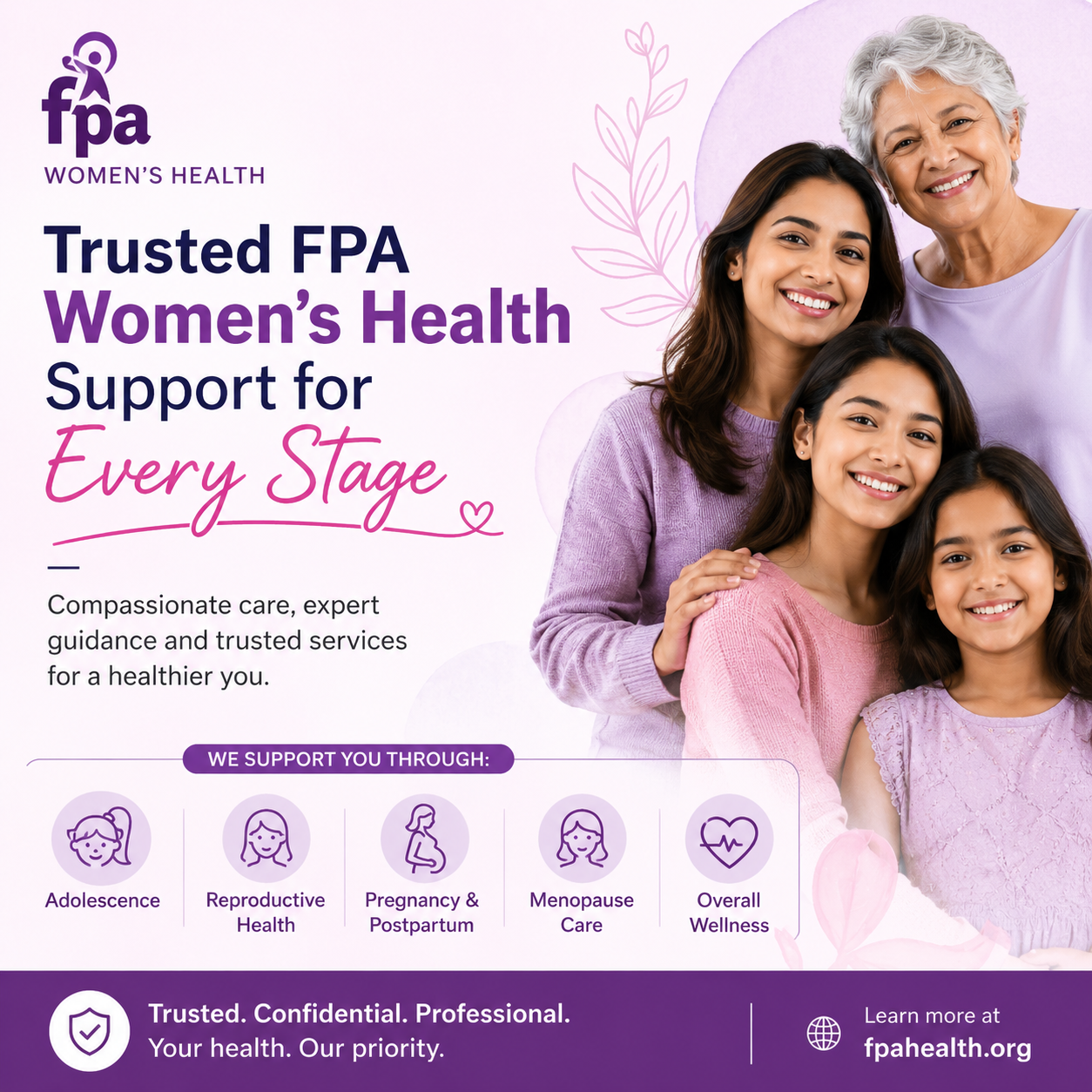
Women’s healthcare plays a critical role in maintaining overall wellness, reproductive health, emotional balance, and long-term quality of life. From adolescence to motherhood and menopause, women experience different physical and emotional changes throughout their lives. Access to reliable healthcare services becomes essential during every stage of this journey. This is where fpa women’s health services provide valuable support through preventive care, reproductive healthcare, family planning, wellness programs, and medical guidance designed specifically for women.
Modern women often face demanding schedules, work responsibilities, family commitments, and personal health concerns simultaneously. Because of these challenges, having access to trusted healthcare providers can make a significant difference in both physical and mental wellbeing. FPA women’s health services focus on offering compassionate care, professional medical support, and confidential healthcare solutions that empower women to make informed decisions about their health.
This comprehensive guide explains the importance of fpa women’s health services, the healthcare options available, the benefits of preventive care, and why women should prioritize regular medical support at every stage of life.
Understanding the Importance of FPA Women’s Health Services
The healthcare needs of women are unique and constantly evolving throughout life. FPA women’s health services are designed to provide specialized medical care that addresses these changing needs while promoting long-term wellness and disease prevention.
Women often require healthcare support beyond general medical treatment. Reproductive health, hormonal changes, pregnancy planning, menstrual health, and menopause management all require professional attention from experienced healthcare providers. FPA women’s health centers focus specifically on these concerns while offering a safe and supportive environment for patients.
One of the most important aspects of women’s healthcare is education. Many women benefit from learning more about their bodies, preventive care options, birth control methods, and reproductive wellness. Healthcare providers help patients make informed decisions based on their individual needs and medical history.
Another important factor is accessibility. Women may delay healthcare visits due to financial concerns, busy schedules, or fear of judgment. FPA women’s health clinics aim to create welcoming healthcare environments where patients feel respected, comfortable, and supported during every appointment.
The focus on preventive care also helps women identify health concerns early before they become more serious. Regular checkups, screenings, and wellness visits can improve overall health outcomes while reducing future medical risks.
Reproductive Health Support for Women
Reproductive health is one of the primary areas addressed through fpa women’s health services. Maintaining reproductive wellness involves much more than pregnancy prevention or fertility care. It includes understanding menstrual cycles, hormonal health, sexually transmitted infection prevention, and overall reproductive system health.
Women experience different reproductive health needs throughout their lives. Teenagers may require education about menstrual health and safe practices, while adults may seek family planning guidance or fertility support. Older women often need help managing menopause-related symptoms and hormonal changes.
Healthcare providers play an important role in helping women understand available treatment options and healthcare resources. Routine gynecological exams, cervical cancer screenings, and breast health evaluations help identify potential issues early and support long-term wellness.
FPA women’s health services also focus on patient privacy and compassionate care. Many women feel more comfortable discussing sensitive health concerns in supportive environments where confidentiality is respected.
Education remains a major component of reproductive healthcare. Women benefit from learning about contraception options, healthy relationships, reproductive rights, and preventive health practices that support lifelong wellness.
Access to professional reproductive healthcare improves quality of life while helping women make confident decisions about their bodies and future plans.
Family Planning and Birth Control Options
Family planning services are an essential part of fpa women’s health support systems. Every woman has different goals regarding pregnancy, parenthood, and reproductive timing. Family planning services help individuals make informed decisions based on personal preferences, lifestyle, and medical needs.
Modern healthcare offers many birth control methods, including oral contraceptives, intrauterine devices, implants, injections, patches, and barrier methods. Each option provides different benefits and considerations depending on the patient’s health condition and long-term goals.
Healthcare professionals guide women through the selection process by explaining effectiveness rates, possible side effects, hormonal impacts, and usage instructions. Personalized recommendations help ensure women choose methods that fit their health and lifestyle needs.
Family planning services also include fertility awareness education and pre-pregnancy counseling. Women preparing for pregnancy can receive guidance about nutrition, prenatal vitamins, medical screenings, and healthy lifestyle adjustments before conception.
For many women, access to reliable family planning services improves financial stability, career planning, educational opportunities, and overall wellbeing. Being able to make informed reproductive choices contributes to greater independence and confidence.
FPA women’s health clinics aim to provide respectful and nonjudgmental care that supports each patient’s personal decisions and healthcare priorities.
Preventive Healthcare for Long-Term Wellness
Preventive healthcare is one of the most valuable aspects of fpa women’s health services. Regular screenings and wellness visits help identify health concerns before symptoms become severe or difficult to treat.
Many serious medical conditions develop gradually without noticeable symptoms during the early stages. Routine health exams allow healthcare providers to monitor important indicators and recommend early treatment when necessary.
Preventive services often include annual wellness exams, blood pressure monitoring, cholesterol testing, cervical cancer screenings, breast exams, and sexually transmitted infection testing. These evaluations support early detection and improve treatment success rates.
Lifestyle counseling is another important part of preventive healthcare. Healthcare providers may discuss nutrition, exercise, stress management, sleep habits, and mental health support to help women maintain balanced lifestyles.
Vaccinations and immunizations also play a key role in protecting long-term health. Preventive healthcare plans often include recommended vaccines based on age, health history, and risk factors.
Women who prioritize preventive care are often better prepared to manage future health challenges. Consistent healthcare visits create stronger patient-provider relationships while improving overall health awareness and personal wellness management.
Mental and Emotional Health Support
Women’s health extends beyond physical wellness. Emotional and mental health are equally important components of overall wellbeing. FPA women’s health services often recognize the connection between emotional balance and physical health outcomes.
Women may experience stress, anxiety, depression, hormonal mood changes, or emotional challenges related to relationships, parenting, career pressure, or life transitions. These experiences can affect sleep, energy levels, physical health, and daily functioning.
Healthcare providers help identify emotional health concerns and connect patients with appropriate support resources when needed. Open conversations about mental wellness encourage women to seek help without fear of stigma or judgment.
Hormonal fluctuations during pregnancy, postpartum recovery, menstruation, and menopause may also influence emotional health. Professional guidance can help women manage these changes more effectively through counseling, lifestyle recommendations, or medical support.
Stress management strategies are another important focus. Healthy coping techniques, exercise, proper nutrition, relaxation practices, and social support all contribute to emotional wellbeing.
Creating safe and supportive healthcare environments encourages women to prioritize both mental and physical health equally. Comprehensive healthcare should address the whole person rather than focusing only on isolated medical symptoms.
Pregnancy and Prenatal Care Guidance
Pregnancy is one of the most important stages in a woman’s healthcare journey. FPA women’s health services often provide valuable guidance for women preparing for pregnancy, currently pregnant, or seeking postpartum support.
Prenatal care helps ensure healthy pregnancy outcomes for both mother and baby. Regular medical checkups allow healthcare providers to monitor fetal development, maternal health, and potential complications throughout pregnancy.
Women receive important guidance regarding nutrition, exercise, prenatal vitamins, hydration, and healthy lifestyle habits during pregnancy. Healthcare providers may also perform screenings and tests to monitor the health of both mother and child.
Pregnancy often involves emotional changes as well as physical adjustments. Supportive healthcare professionals help women navigate concerns related to labor, delivery, parenting preparation, and postpartum recovery.
Postpartum care remains equally important after childbirth. Women may require medical follow-up, emotional support, breastfeeding guidance, and recovery assistance during the weeks and months following delivery.
Access to professional pregnancy care improves maternal health outcomes while helping families prepare for healthy and positive parenting experiences.
Women’s Health During Menopause
Menopause represents another major stage in women’s health that requires professional medical support and education. Hormonal changes during menopause can affect physical health, emotional wellbeing, and daily comfort.
Many women experience symptoms such as hot flashes, sleep disturbances, mood changes, fatigue, weight fluctuations, and reduced bone density during menopause. FPA women’s health providers help women understand these changes and explore treatment options.
Hormone replacement therapy, lifestyle modifications, nutritional support, and exercise recommendations may help manage symptoms and improve quality of life. Healthcare professionals evaluate each patient’s medical history before recommending treatment plans.
Bone health becomes especially important during and after menopause because declining estrogen levels may increase osteoporosis risk. Preventive care strategies often include calcium intake recommendations, weight-bearing exercise, and bone density screenings.
Cardiovascular health also requires attention during this stage of life. Women may experience increased risks for heart disease and other age-related health concerns after menopause.
Education and medical support help women approach menopause with confidence rather than fear. Understanding available healthcare options allows women to maintain active and healthy lifestyles throughout the aging process.
Confidential and Compassionate Healthcare Services
One reason many women trust fpa women’s health providers is the emphasis on confidential and compassionate care. Healthcare experiences can feel stressful or uncomfortable, especially when discussing personal or sensitive concerns.
Supportive healthcare environments help patients feel respected, heard, and valued during appointments. Compassionate communication encourages women to ask questions openly and participate actively in healthcare decisions.
Confidentiality is also extremely important in women’s healthcare. Patients should feel secure knowing their personal information and medical history remain protected and private.
Cultural sensitivity and inclusive care practices further improve patient experiences. Women from different backgrounds, lifestyles, and age groups benefit from healthcare providers who understand diverse needs and perspectives.
Building trust between healthcare professionals and patients improves communication and treatment outcomes. Women who feel comfortable with their providers are more likely to attend regular appointments and seek help early when health concerns arise.
Healthcare providers who focus on empathy and understanding contribute significantly to positive healthcare experiences and long-term wellness.
The Role of Education in Women’s Health
Health education is one of the strongest tools for improving women’s wellbeing. FPA women’s health services often prioritize patient education to help women make informed decisions regarding healthcare, relationships, and lifestyle choices.
Understanding reproductive anatomy, menstrual cycles, contraception methods, and preventive care empowers women to manage their health proactively. Education reduces fear and confusion while encouraging healthy habits and responsible decision-making.
Healthcare providers may also educate patients about nutrition, exercise, stress management, sexual health, and chronic disease prevention. These conversations support healthier lifestyles and long-term wellness.
Educational resources become especially valuable for younger women learning about reproductive health for the first time. Early health education promotes confidence and encourages lifelong preventive care habits.
Technology and online healthcare resources have also expanded access to educational information. Many women now use digital platforms to learn more about symptoms, treatments, and healthcare options before visiting providers.
Accurate and professional medical education helps combat misinformation while promoting safer healthcare decisions across all stages of life.
Future of FPA Women’s Health Services
The future of women’s healthcare continues evolving as medical technology, telehealth services, and patient-centered care models improve healthcare accessibility and quality.
Telemedicine has become increasingly popular, allowing women to access healthcare consultations remotely. Virtual appointments improve convenience for patients with busy schedules, transportation challenges, or limited access to healthcare facilities.
Advancements in medical technology also improve diagnostic testing, preventive screenings, and personalized treatment options. Women can now access more accurate healthcare solutions tailored to individual needs and medical histories.
Mental health integration is becoming another important focus within women’s healthcare systems. Healthcare providers increasingly recognize the strong connection between emotional wellbeing and physical health outcomes.
Public awareness about women’s health rights and healthcare accessibility is also growing. Advocacy efforts continue encouraging affordable and inclusive healthcare services for women from all communities and backgrounds.
As healthcare continues advancing, fpa women’s health services will likely remain focused on compassionate care, preventive wellness, reproductive health support, and patient education designed to improve women’s lives at every stage.
Conclusion
FPA women’s health services provide essential healthcare support that empowers women to maintain physical, emotional, and reproductive wellness throughout life. From preventive screenings and family planning to pregnancy care and menopause support, comprehensive women’s healthcare addresses the unique needs women experience at every age.
Modern healthcare requires more than simply treating illnesses. Women benefit from compassionate providers, confidential services, educational support, and preventive care strategies that promote long-term wellness and informed decision-making.
By prioritizing regular healthcare visits and staying informed about available services, women can improve their quality of life, reduce health risks, and build stronger foundations for lifelong wellbeing. Trusted fpa women’s health support continues playing an important role in helping women achieve healthier, safer, and more confident lives.